
Goals & Objectives
Goals
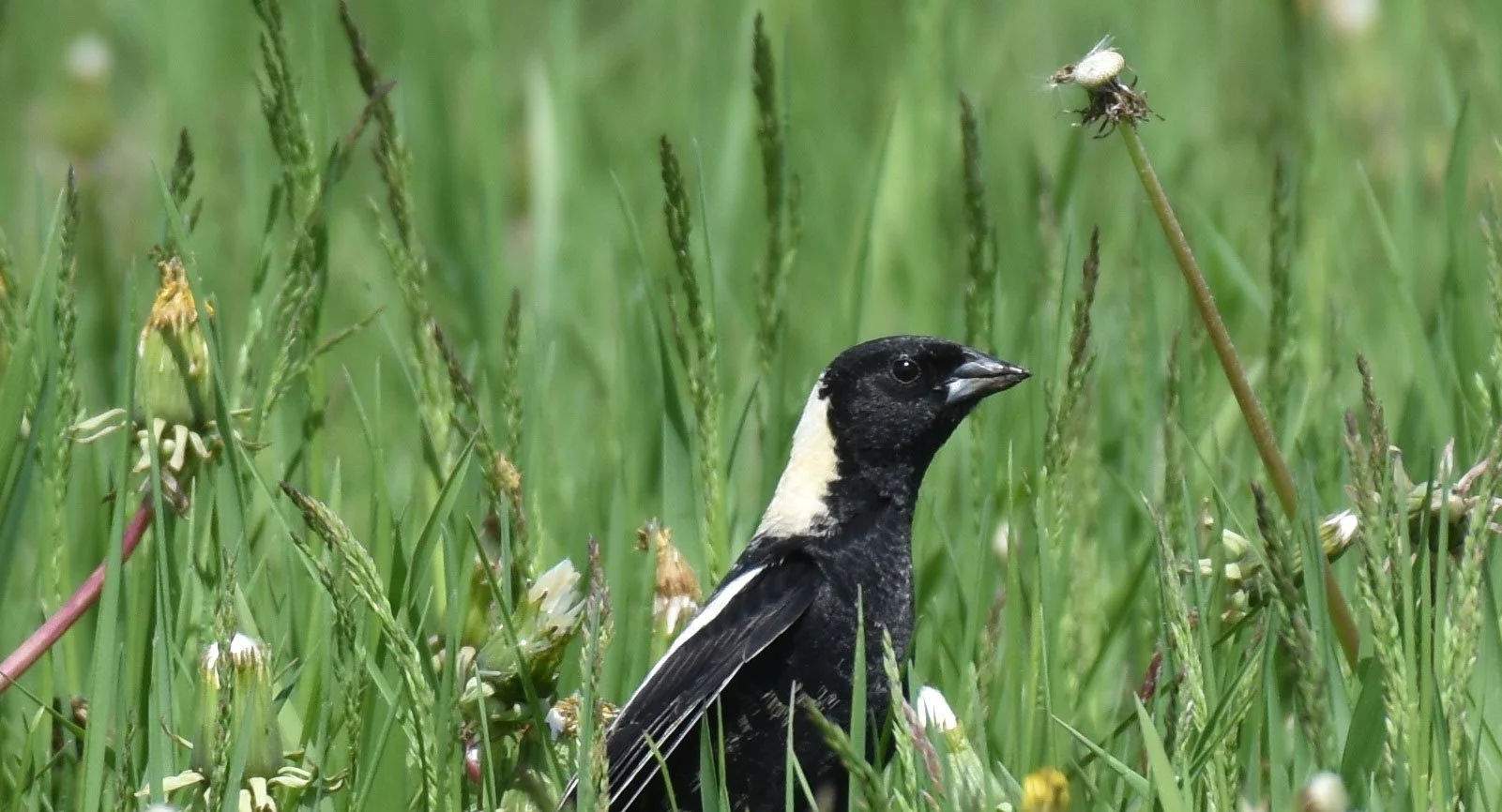
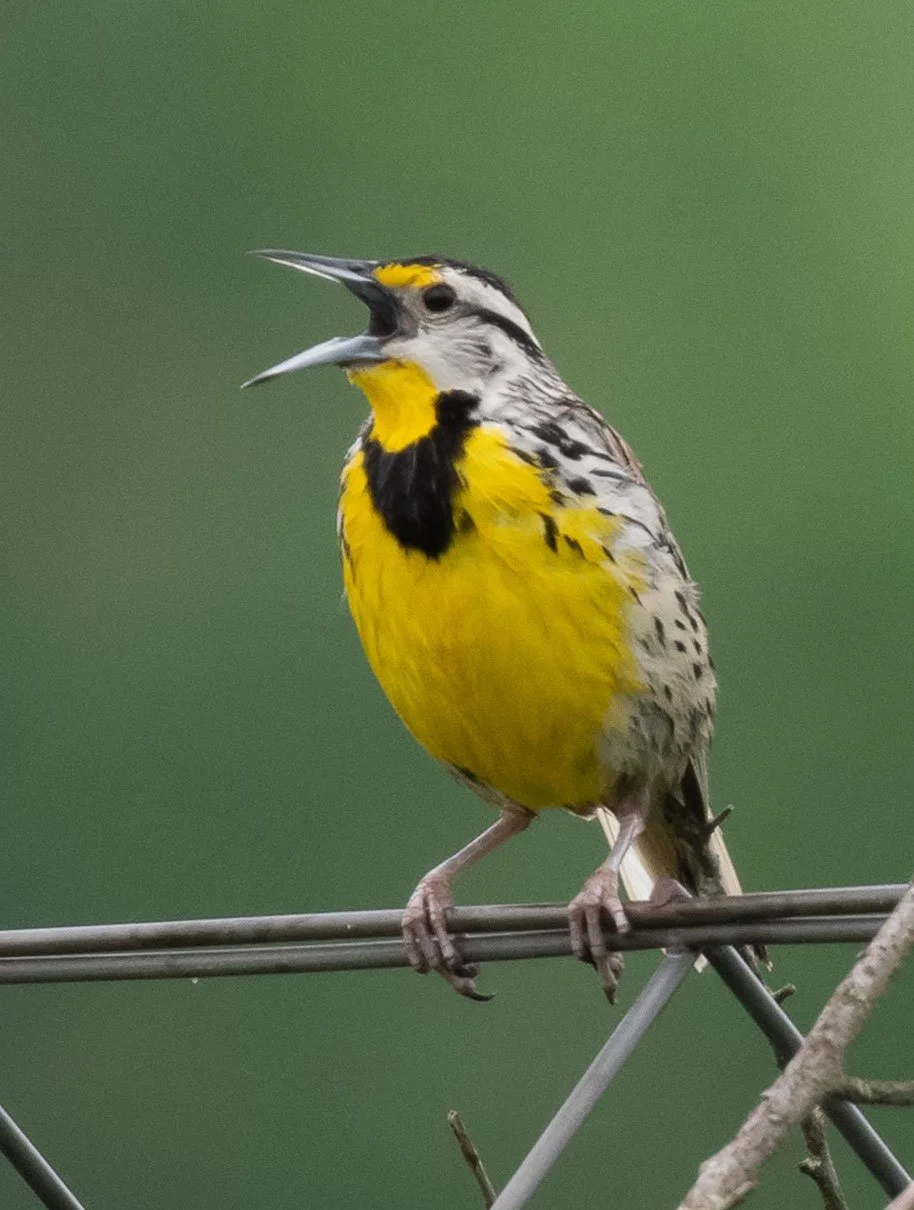
Ag Allies is an organization dedicated to protecting Maine’s grassland birds through collaboration with private landowners. The primary goal of this program is to preserve and enhance breeding habitat during the nesting season, giving species such as Bobolinks and Eastern Meadowlarks the best possible chance of reproductive success. The project seeks to build lasting conservation partnerships with farmers, emphasizing their role as land stewards and connecting them to the natural resources their land supports. Every field visit is an opportunity to foster relationships, share knowledge, and integrate bird conservation into active agricultural management.
Biological monitoring for grassland species is accomplished through a noninvasive field method for evaluating nesting activity and habitat conditions on cooperating farms. By following a standardized approach modeled after the Vickery method, observers can estimate nesting pairs and assess habitat quality while minimizing disturbance to the birds.
Objectives to help us meet these goals
1. Provide technical advice to help incorporate delayed mowing/grazing into holistic farm management. Since no two farms are alike, it is important to provide flexibility with a variety of tools for integrating grassland bird habitat with the needs of the farming operation to allow changes to become a permanent part of the farm’s management plan.
2. Assist interested land trusts with habitat management and by incorporating permanent bird-friendly management practice language into conservation easements and stewardship plans that will run with the deed of their protected properties in perpetuity.
3. Provide incentive payments for working farmers to help offset the initial cost of the economic loss of delayed cutting. Our local farmers are pressed with many competing needs and uncertainties of prices and weather; thus, it is difficult for them to manage their grassland forage production needs in the best of circumstances
4. Conduct bird monitoring of fields enrolled in the program using protocol based on the non-invasive Vickery Method and record data in the Maine IFW’s Ag Allies mapping tool. Provide late season monitoring to allow farmers to harvest these fields as soon as fledglings are capable of sustained flight.
5. Create demonstration sites for grassland habitat improvement. Many grasslands in Maine have not been actively managed for forage production in recent years. With later, more sporadic mowing and lack of fertility management, these grasslands have declined in productivity as well as becoming less attractive for nesting grassland birds.
6. Provide public outreach and education - Public workshops and presentations will be provided in a variety of venues.