
Supporting grassland birds & farmers across Maine
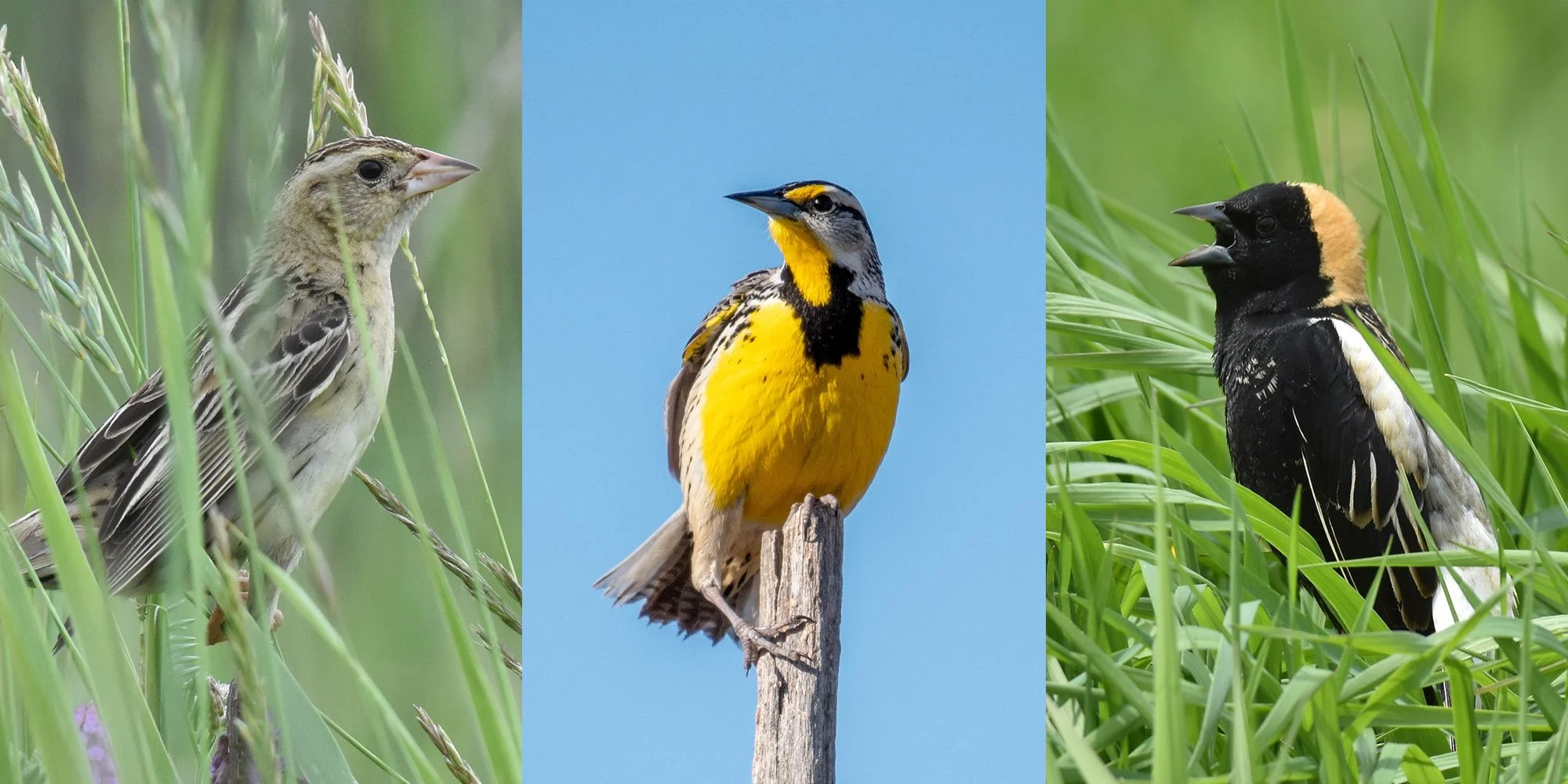
Ag Allies is an organization dedicated to protecting Maine’s grassland birds through collaboration with private landowners. The primary goal of this program is to preserve and enhance breeding habitat during the nesting season, giving species such as Bobolinks and Eastern Meadowlarks the best possible chance of reproductive success.
Our Impact in 2025
-
![A grassy field with scattered trees in the background]()
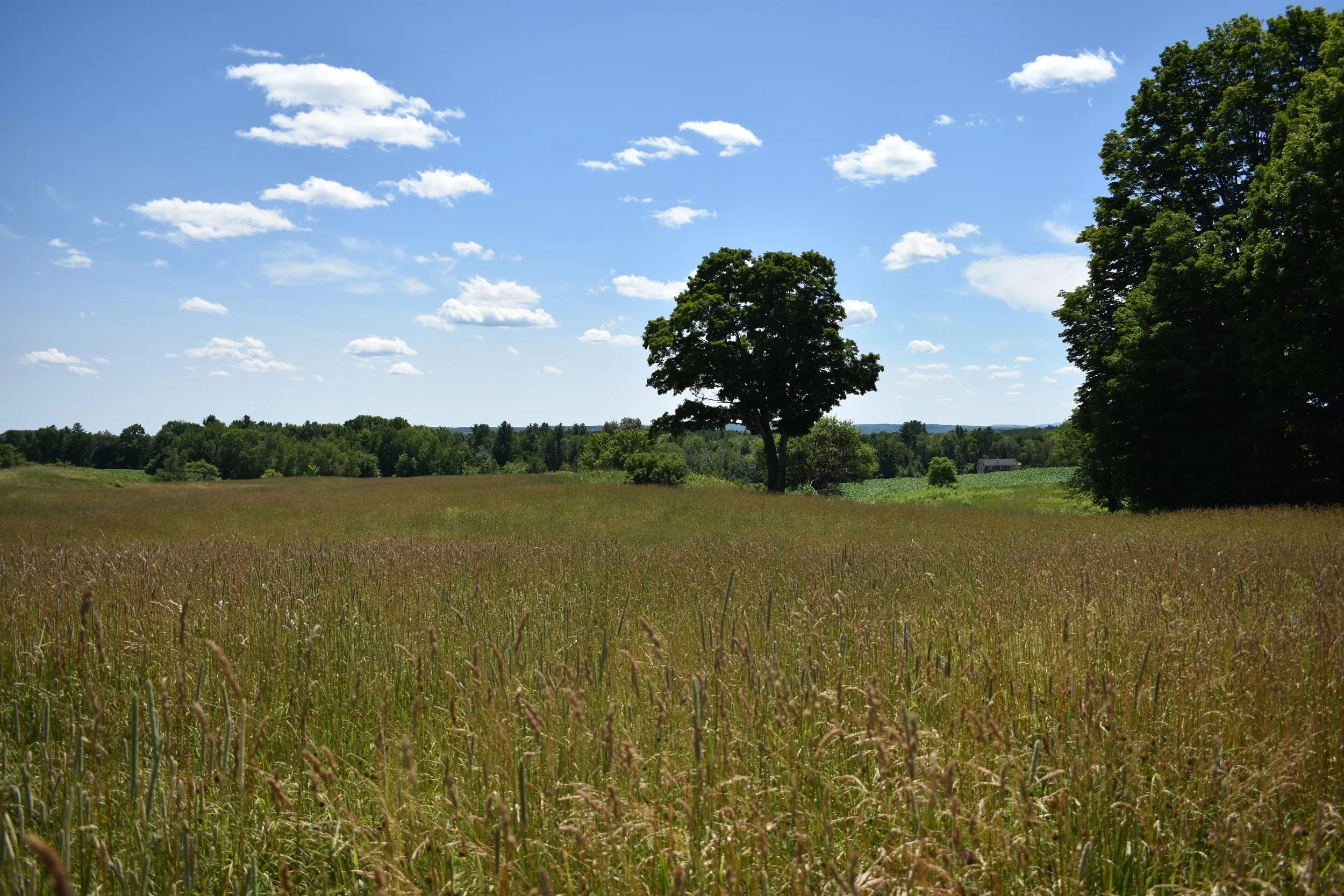
Enhanced breeding conditions on 3,000+ acres of grasslands, including 1,000 acres managed by legacy landowners.
-
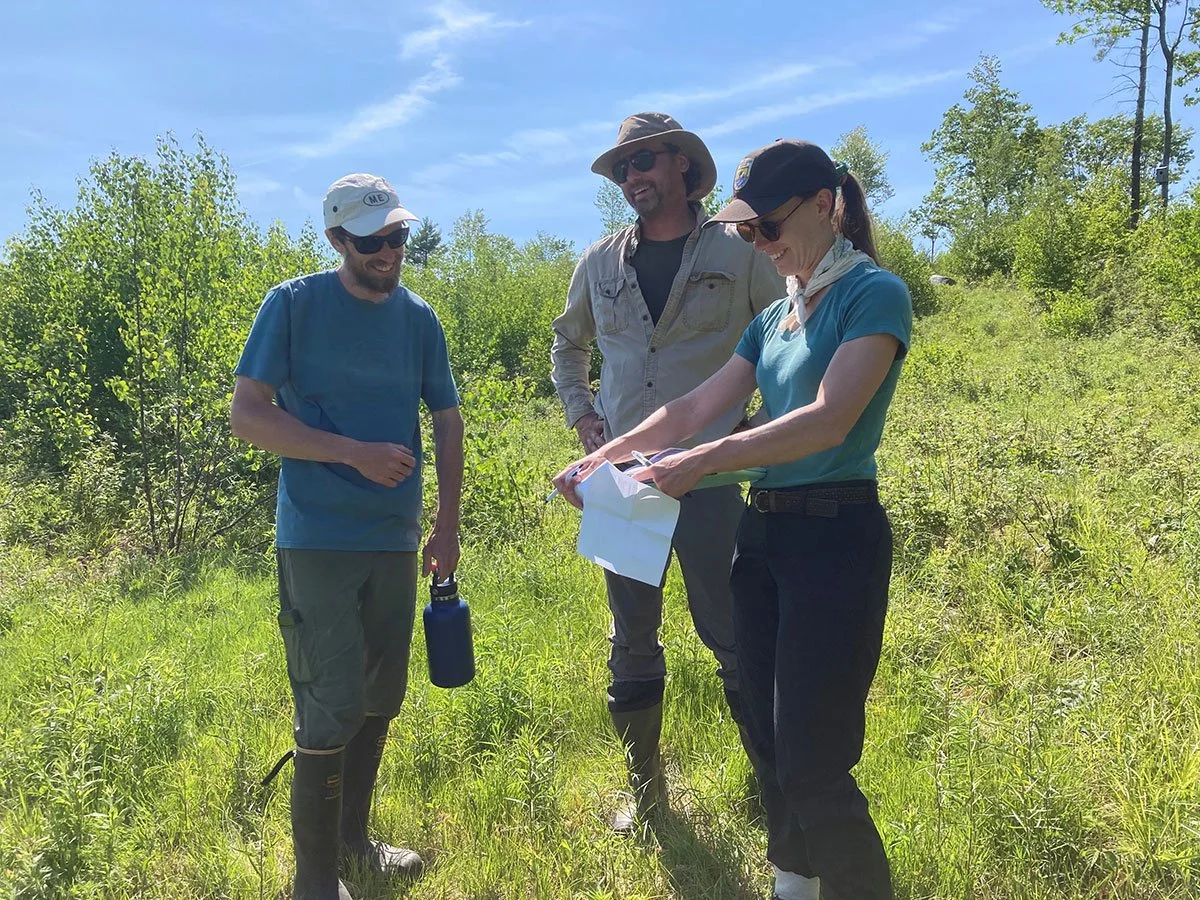
![Three people in a clearing looking over a data sheet]()
Provided technical support to 202 participating landowners, including 80 legacy landowners.
-
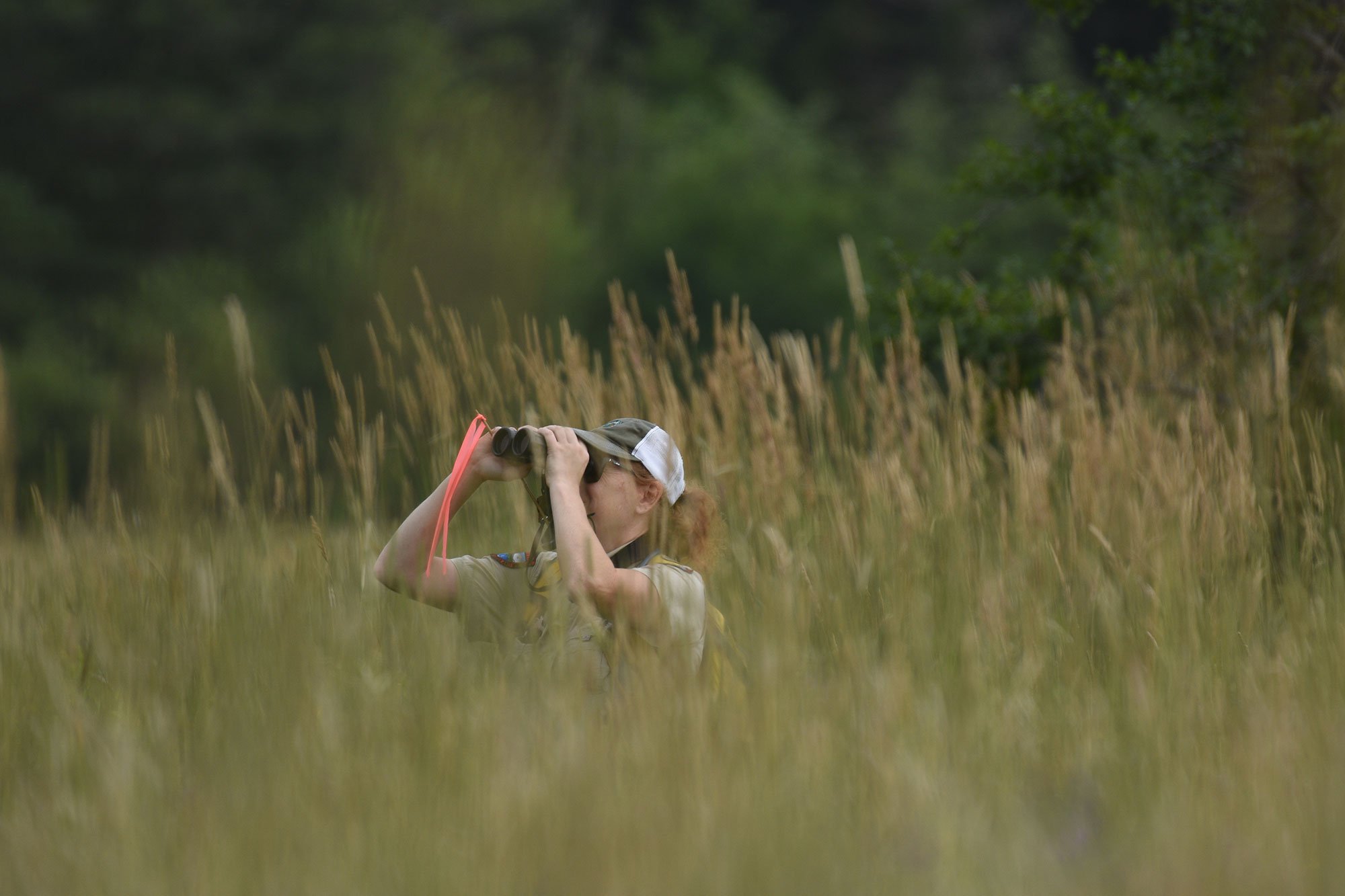
![A woman in some tall grass looking through binoculars]()
Conducted 130+ site visits to guide habitat improvements.
-
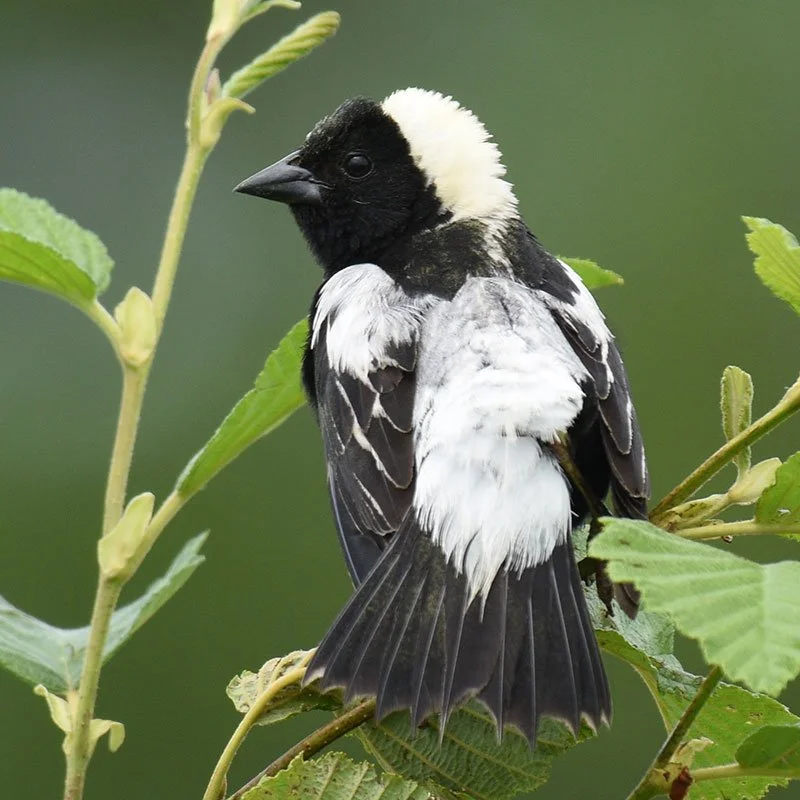
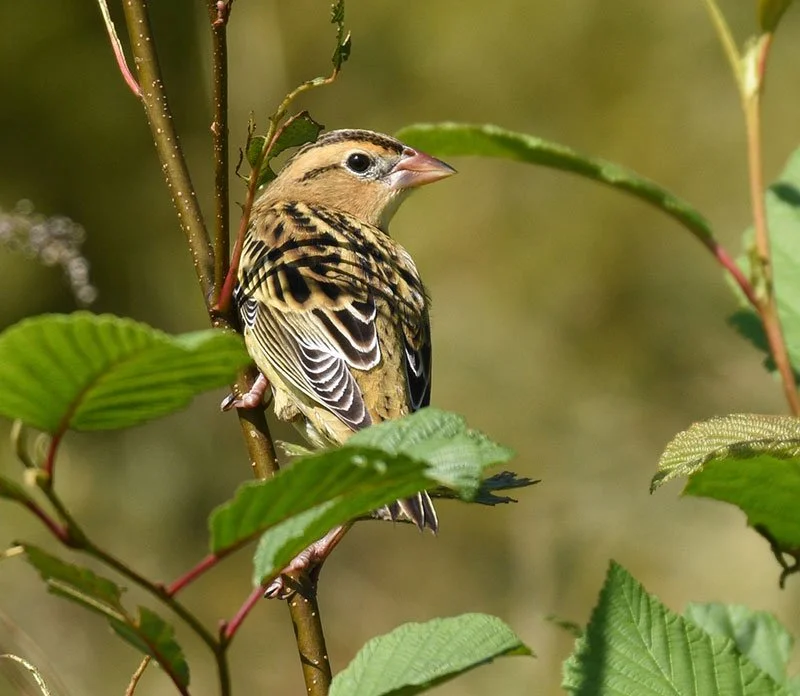
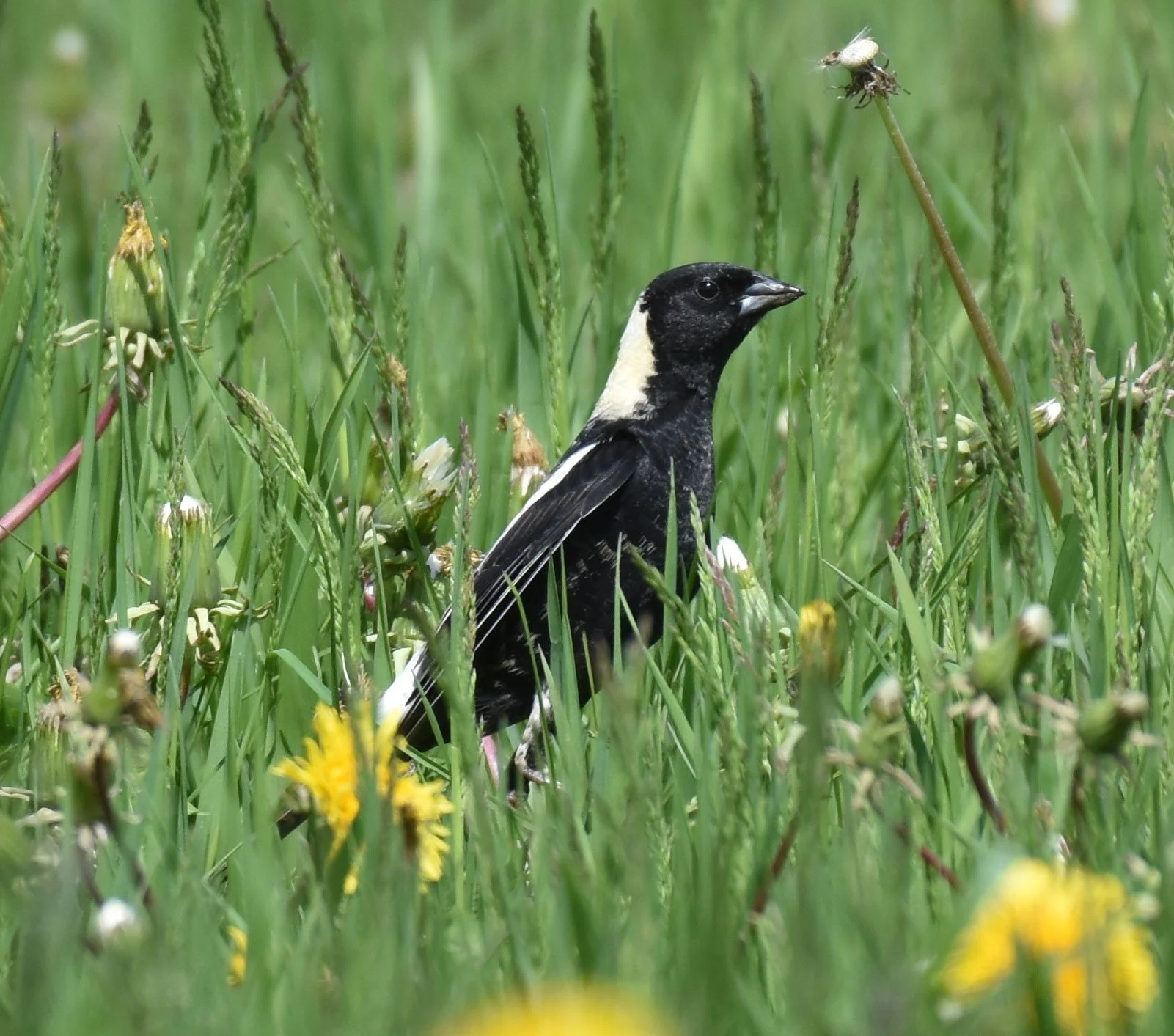
![A male bobolink perched on an alder bush]()
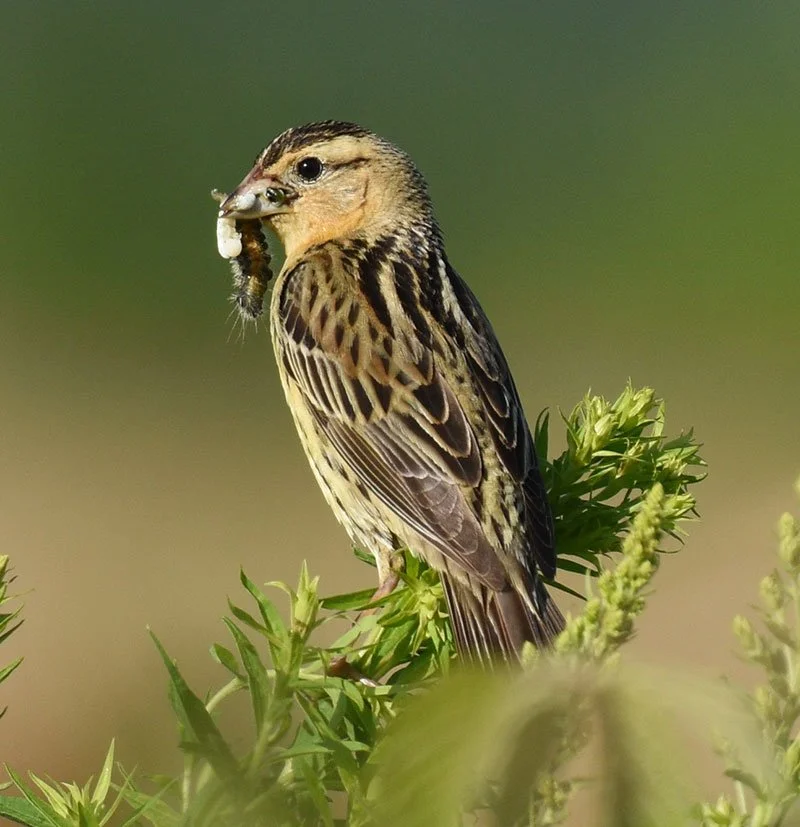
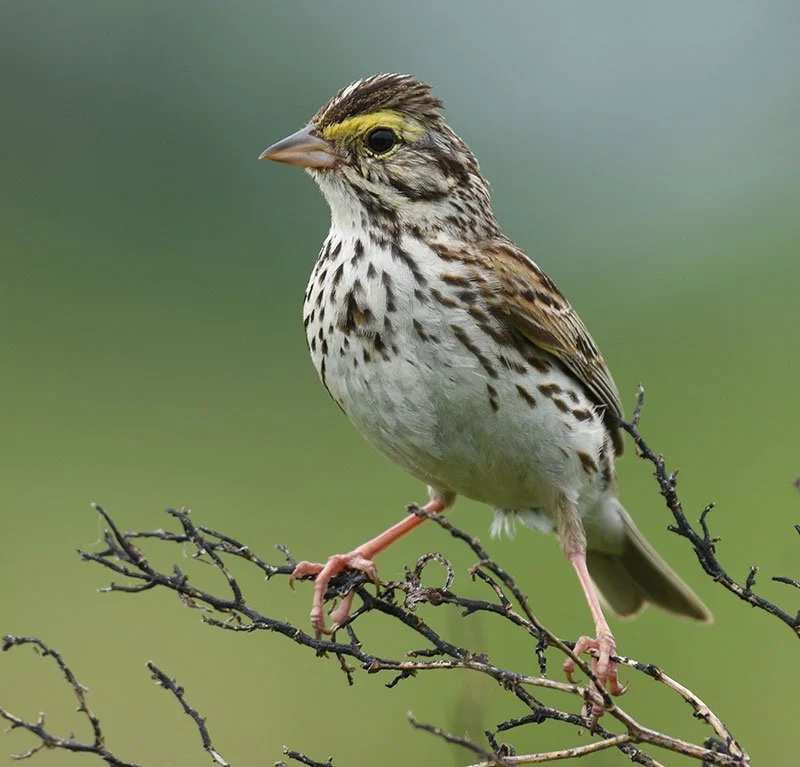
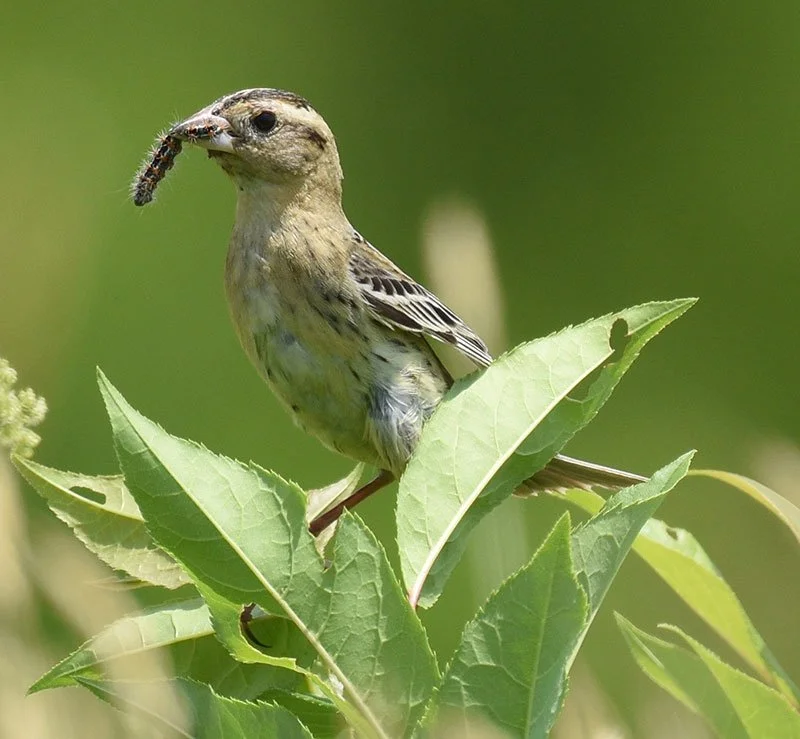
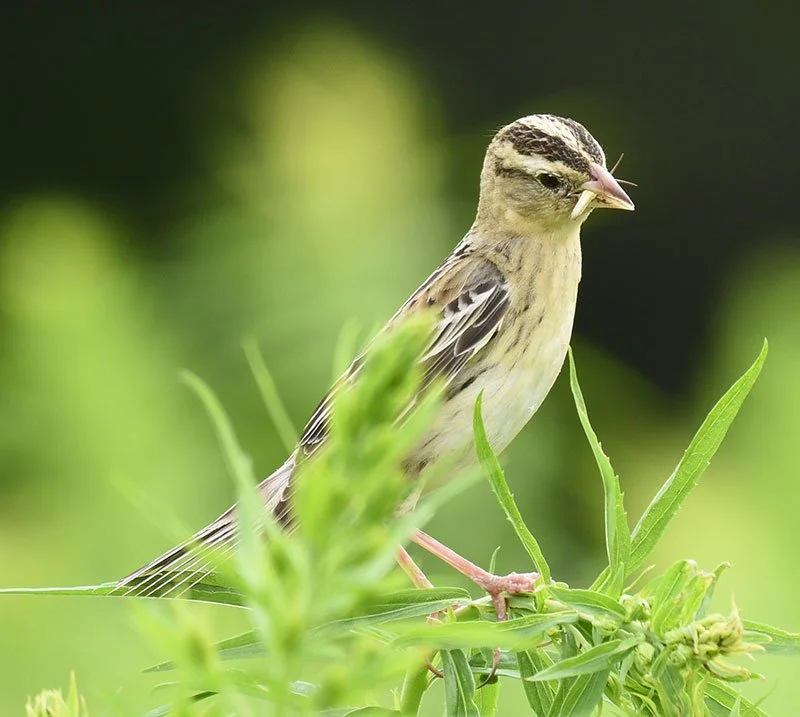
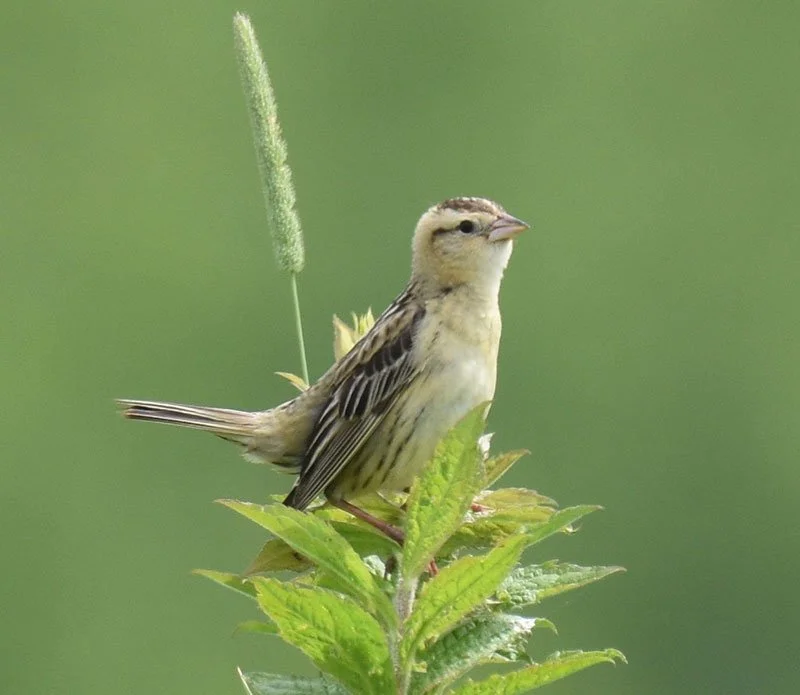
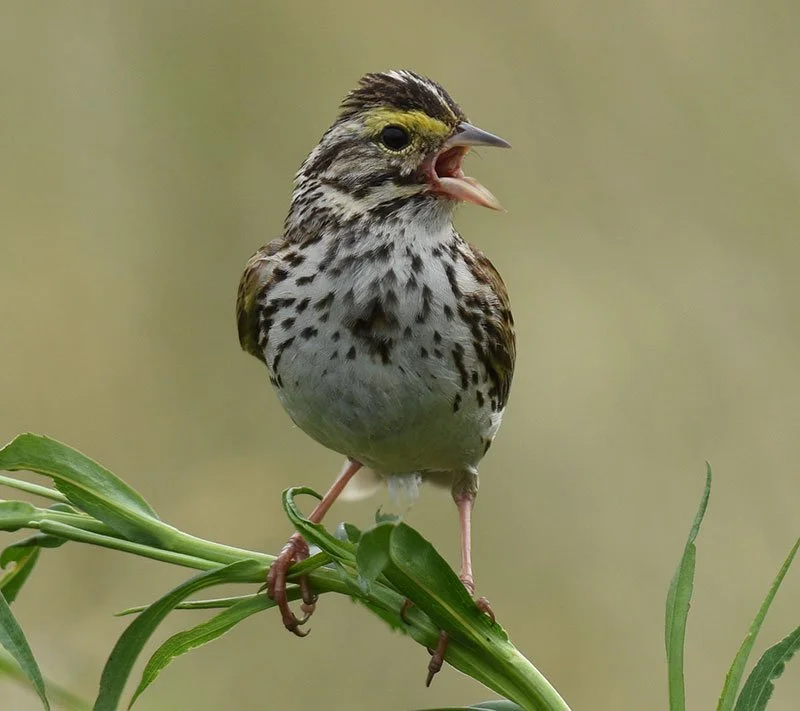
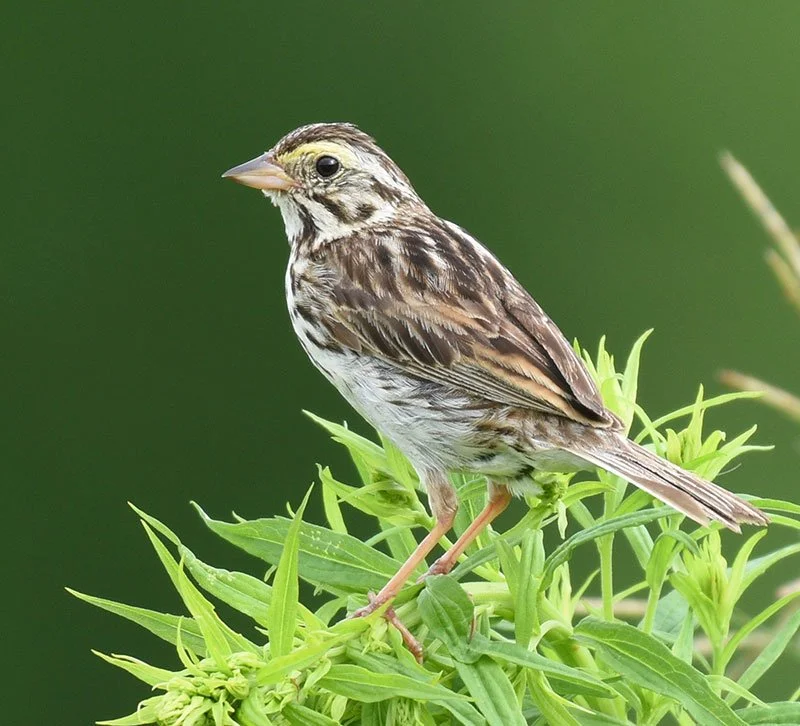
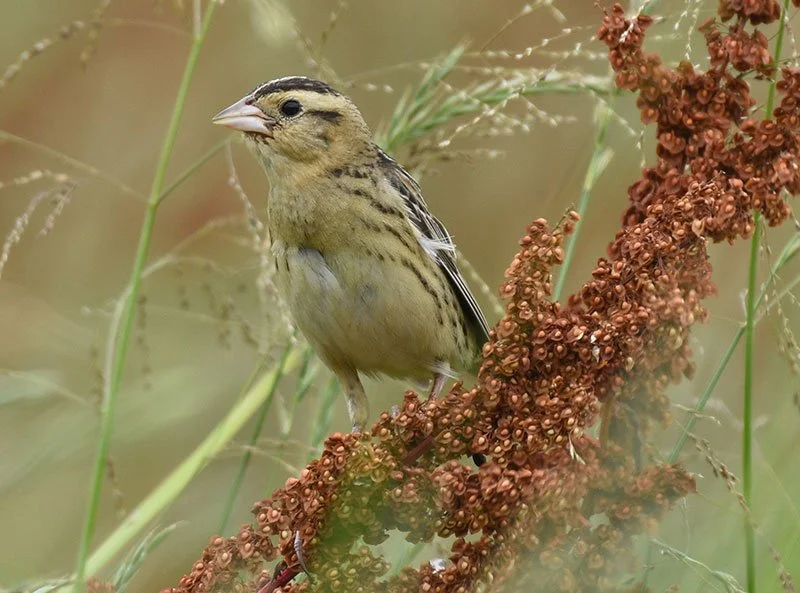
Protected 700+ breeding pairs of grassland birds, including:
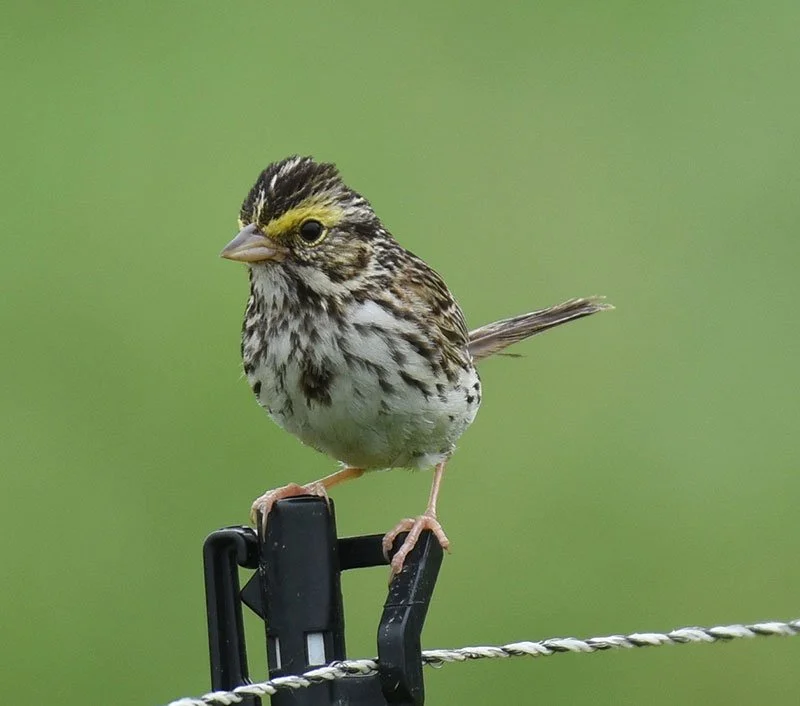
500 Bobolinks 70 Savannah Sparrows
22 Eastern Meadowlarks
2 American Kestrels 1 American Bittern
-
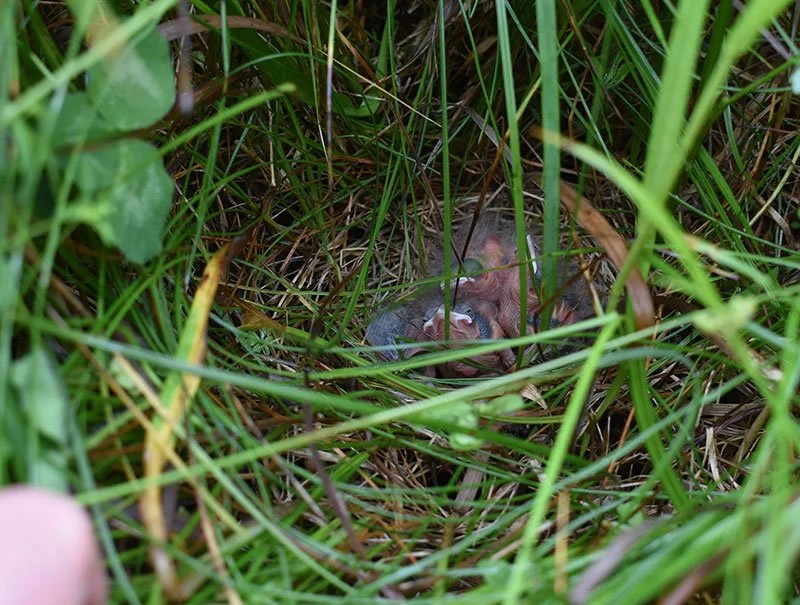
![A bobolink nest with chicks in the grass]()
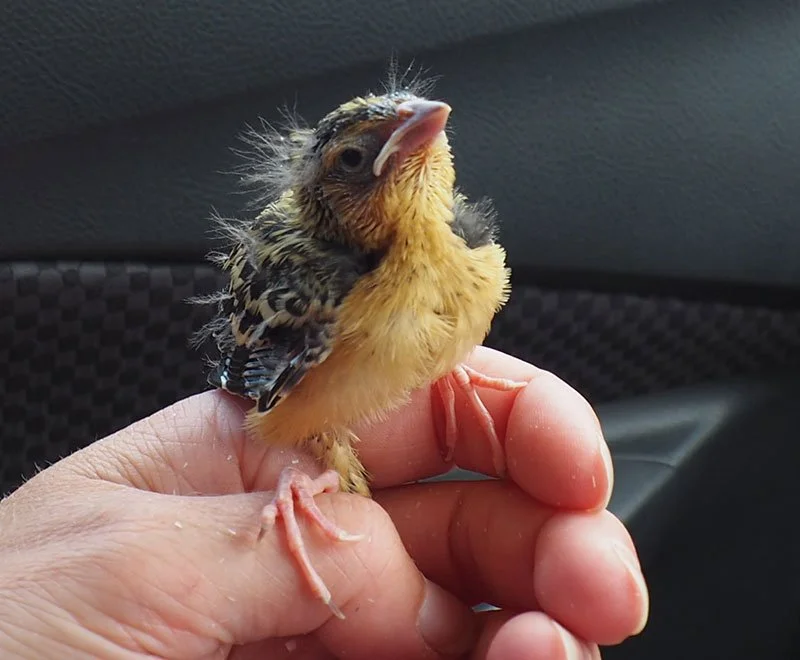
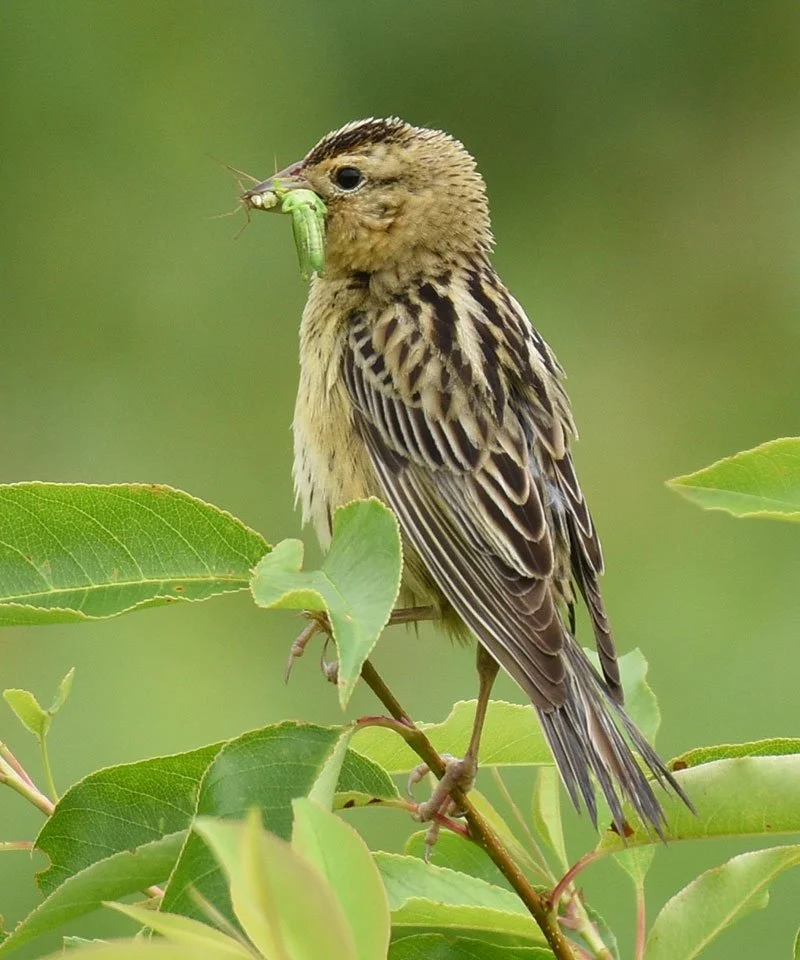
Supported the fledging of an estimated 1,500–2,500 Bobolink chicks, based on an average of 5 eggs per nest and typical mortality rates.
-
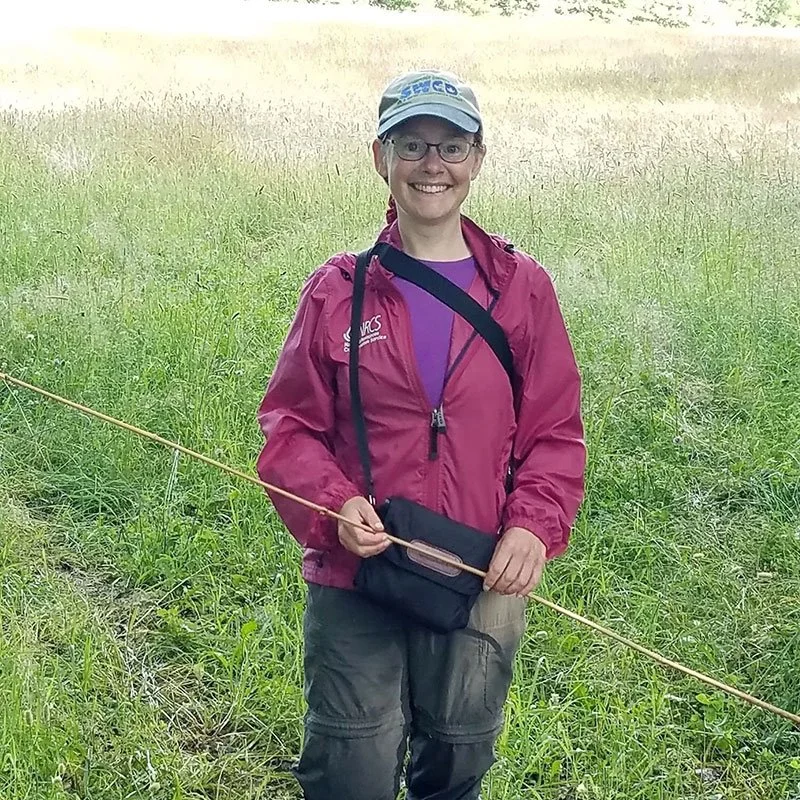
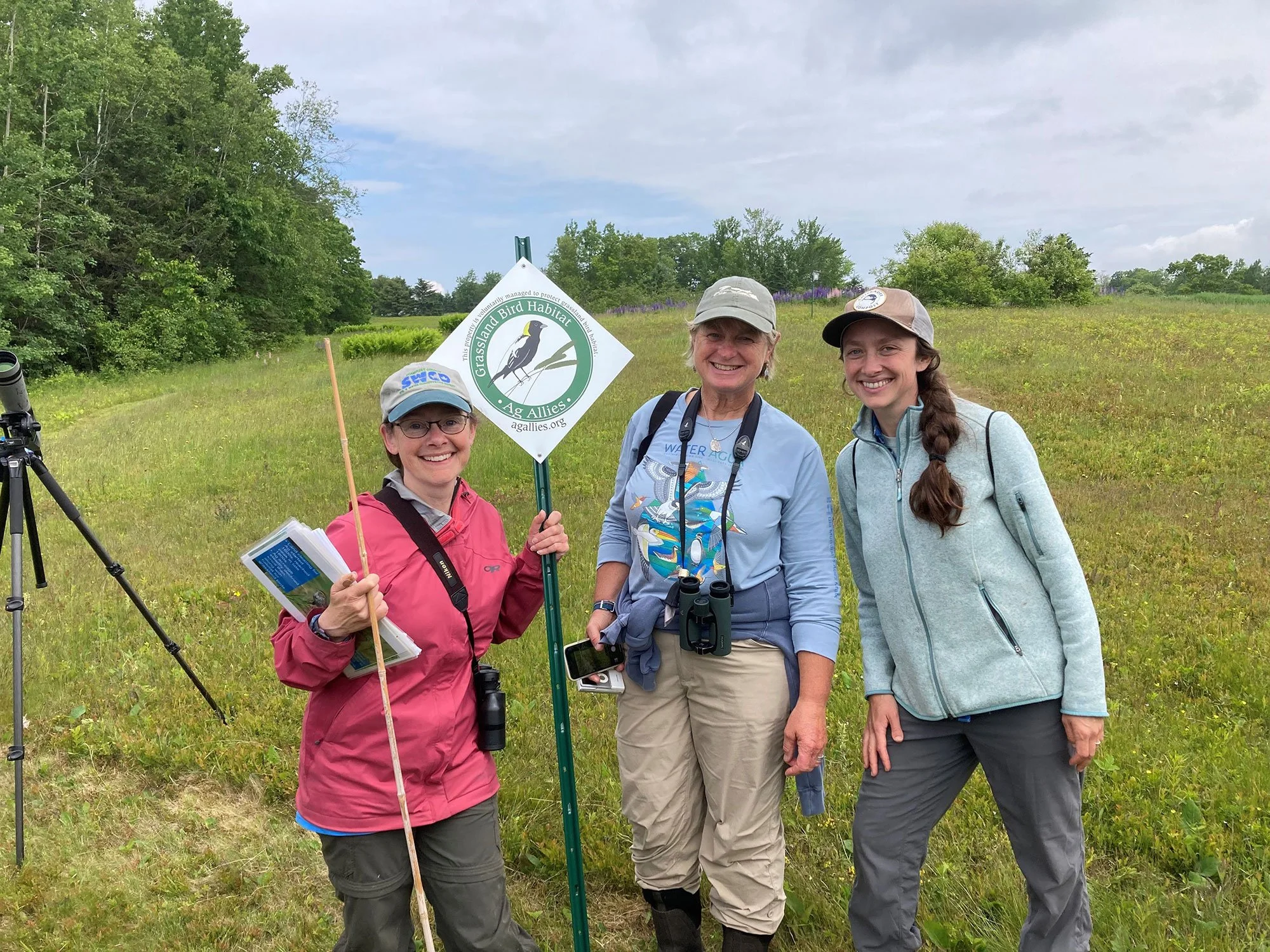
![A smiling woman in a field with a measuring stick]()
Completed 10 soil tests to guide habitat management.
-
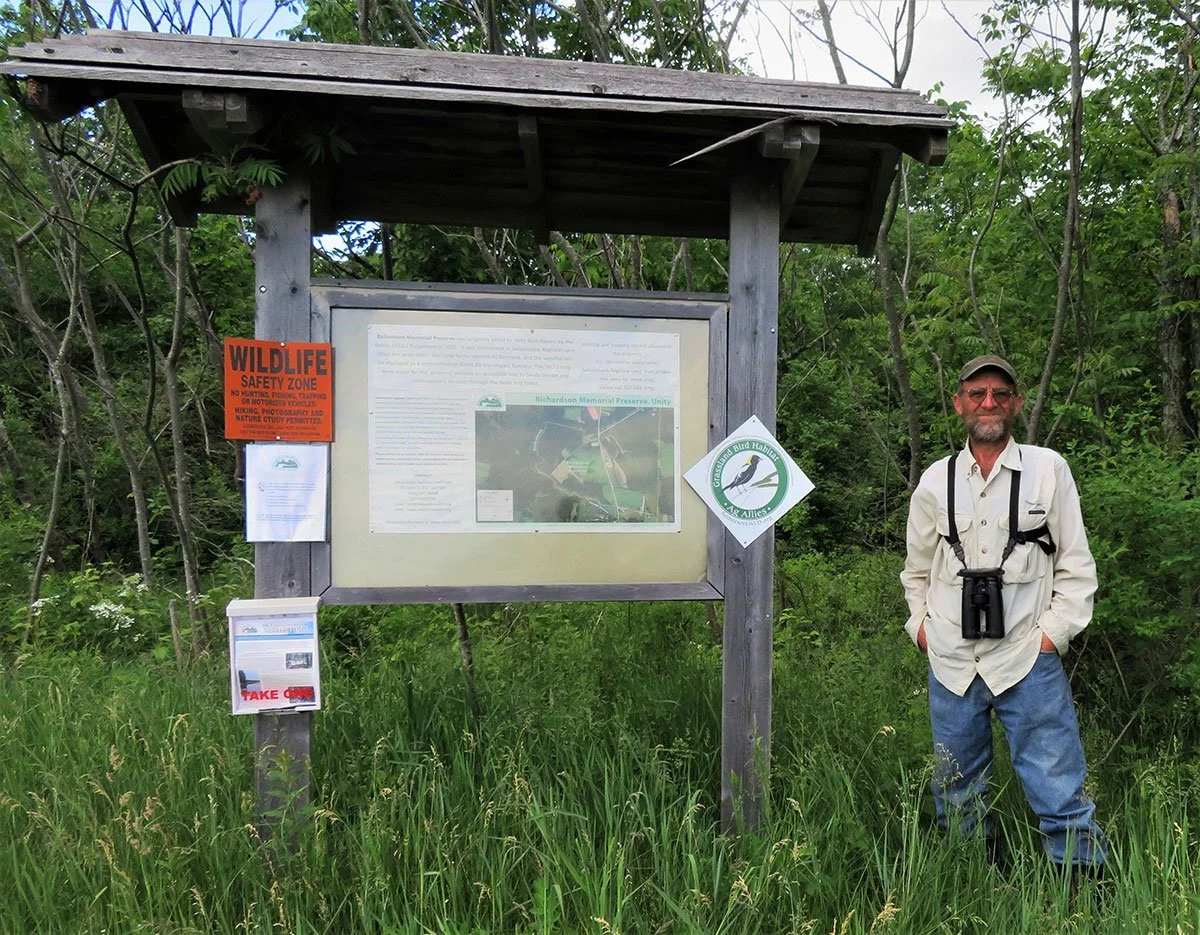
![A man standing next to an outdoor kiosk]()
Partnered with 13 land trusts to advance regional conservation goals.
-
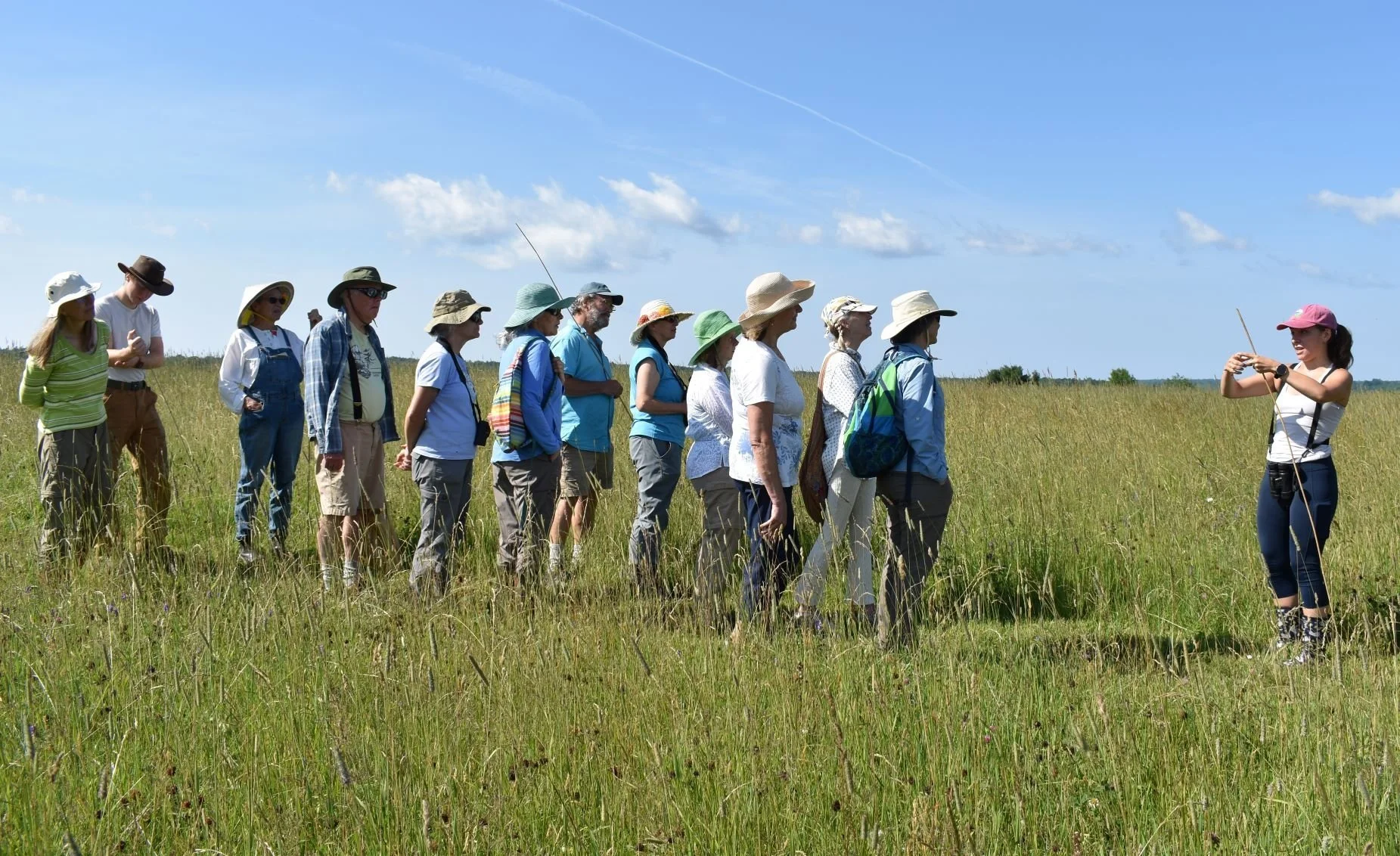
![A woman giving a talk to a group of people in a grassy field]()
Hosted 5 educational events to engage the community.
-
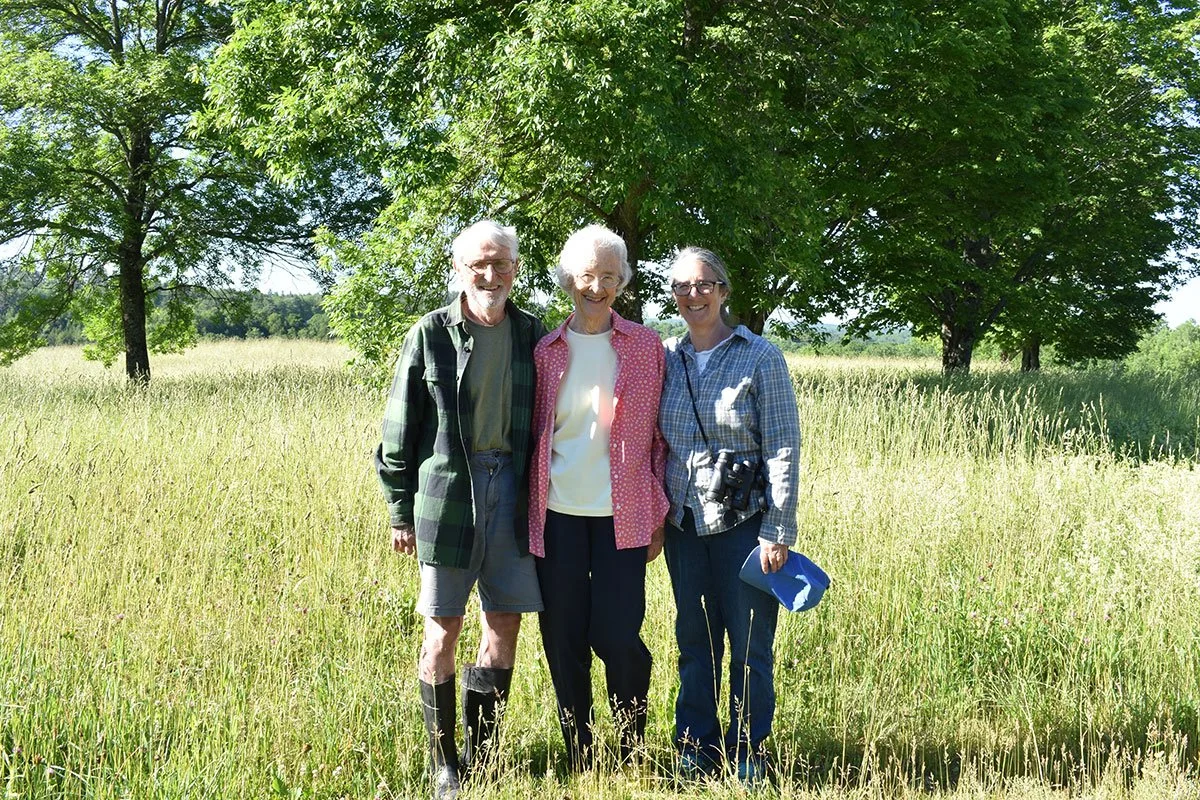
![Three smiling volunteers standing in a grassy field with several trees behind them]()
Benefited from 175 volunteer hours supporting field and program activities.
Looking Ahead to 2026
We are excited to expand our impact in 2026. Ag Allies is launching a formal partnership with the Bobolink Project (Mass Audubon) to strengthen a regional approach to grassland conservation. We’ve also added a new staff member to support administration and communications. Together, this deeper capacity and our strategic partnerships will help us move toward program stability, sustainability, and continued growth, ensuring lasting benefits for birds, landowners, and Maine’s rural communities.
Grasslands in the News
Ag Allies has been featured in the May Issue of Downeast Magazine
“…..In the early days of Ag Allies, she [Suomi-Lecker] always had to reach out to farmers about protecting grassland birds. A decade later, some are now coming to her because they’ve heard about the program from other farmers….
…….Those farmers have made an impression on Suomi-Lecker. “They deserve our thanks because it’s hard,” she says. “They have to work as the weather allows, and we’re asking them to remove a window. It’s a big ask. When I meet farmers, I want to know their story, their challenges. I tell them that this is your livelihood, but if you want to try to manage for birds, I will turn myself inside out to help you.”
Delayed mowing schedules in the Northeast were developed in the early 2000s to accommodate the nesting schedules of declining grassland birds. However, an unanticipated complication has arisen: invasive plant species. Other grassland bird programs have traditionally recommended one cut after August 1st; however, this has unexpectedly allowed invasives to set seed and spread. Once they have taken over a field, these invasive plants can result in reduced insect populations, thus driving birds away from using the area and reducing overall grassland health. Researchers are now re-thinking mowing schedules and shifting recommended cutting dates.
“We’re seeing [bird] population numbers dropping in fields overtaken by invasives. It’s affecting how the birds use the habitat” - Margaret Fowle, senior conservation biologist at Audubon Vermont
“Delayed Mowing Gets a Makeover” by Colby Galliher, featured in Northern Woodlands
For the Ag Allies program, the general “safe date” has always been July 15th in order to increase the ability to keep fields in better health for livestock and birds alike; we also do field clearing site visits starting in early July, to let farmers mow as soon as bobolink youngsters are flighted in their fields.
Ag Allies also provides a field refurbishment program to help control the spread and proliferation of invasives, for both livestock forage and field health. We help managers of grassland bird habitat apply lime and fertilizer and reseed fields to combat field quality decline from delayed mowing.
Invasive plants cause changes in mowing schedule recommendations
700 million.
That’s how many grassland birds have been lost in North America over the last 50 years.